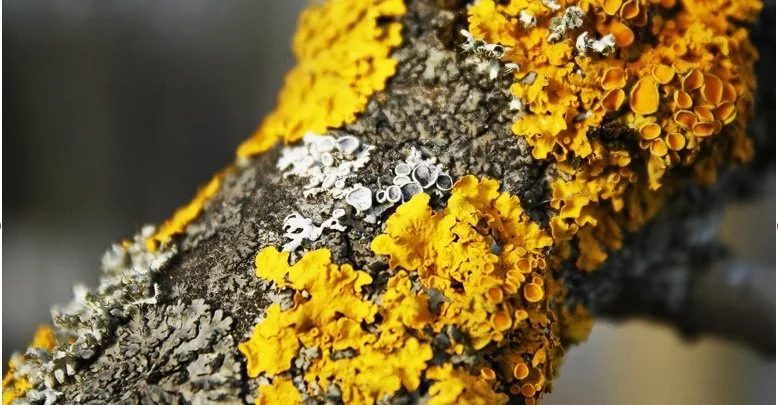
Lichen
Let’s explore the fascinating world of lichens.
The gray, wet weather is perfect for going on a hunt to discover these incredibly interesting species and the lack of foliage makes the rocks, outcrops, shrubs and tree trunks where they grow much more visible.
But first…..what exactly is a lichen? Lichens are a composite organism formed by a symbiotic relationship between a fungus and a photosynthetic partner like a green alga or a cyanobacteria.
Say what!? Basically, its fungi that instead of invading or scavenging for nutrients, cultivate algae/cyanobacteria within themselves. The algae/cyanobacteria provide carbohydrates, proteins and vitamins thru their photosynthesis while in return the fungus provides increased access to minerals and protection from the elements. They work together in a mutually beneficial way.
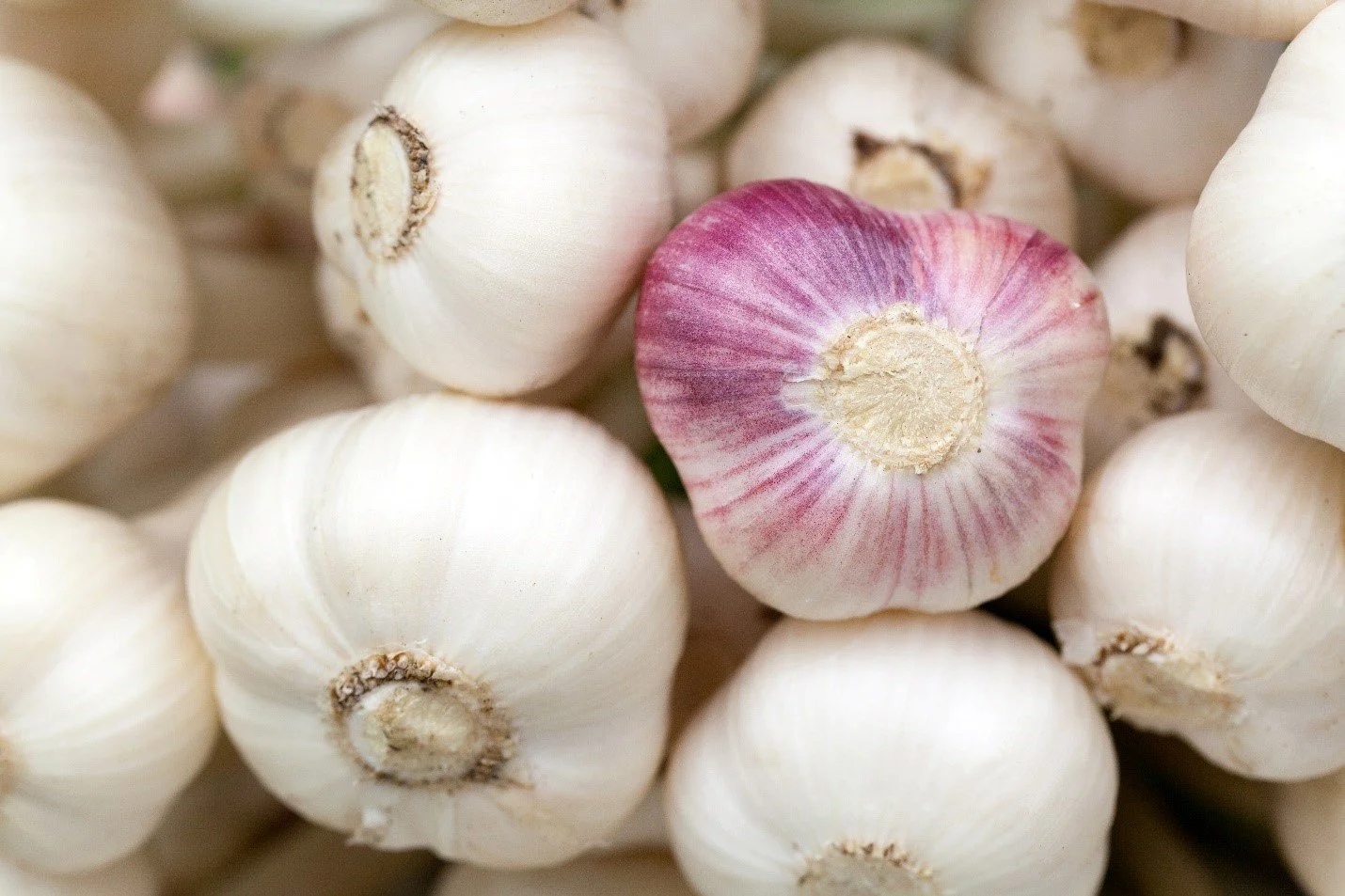
Garlic
Nothing quite compares to the sweet, tart complexity of flavor exploding in your mouth when you pop in the first handful of these tasty treats of the season.

Huckleberry
Nothing quite compares to the sweet, tart complexity of flavor exploding in your mouth when you pop in the first handful of these tasty treats of the season.

Comfrey
This botanical powerhouse is a permaculture super plant. Comfrey (Symphytum officinale) had been cultivated since at least 400, B.C. it is a fast-growing perennial, 2 to 3 feet tall with large hairy leaves and a long taproot that descends deep into the subsoil sometimes 6 to 10 feet deep.

Mullein
Gentle giants’ way in the rhythmic breeze whispering, “come dance with me”, as soft velvet leaves reach out for a partner. Great Mullein, (Verbascum Thapsus) commonly thought of as an invasive weed, has an unmistakable presence.

Calypso Orchid
As we walk through the forest to gather sustenance there is a little orchid called fairy slipper
(calypso bulbosa) that is sure to delight. The thrill of discovery brings a smile when we spot this
delicate little beauty rising 4 to 8 inches up from the shady forest floor, especially in coniferous
woodlands rich with organic matter.

Dandelion (taraxacum officinale)
Let's take a journey with the prolific Dandelion (taraxacum officinale). We'll start with the perfect globe of feathery seeds patiently awaiting a puff of wind or the breath of an eager child. Each tiny white parachute that's blown aloft carries a seed and can travel for several miles on the wind.

Basil
Growing basil is one small way to source food closer to home. A single plant can provide repeated harvests throughout the season, and even a small container on a porch or windowsill can bring fresh flavor within reach. It’s a plant whose fragrance draws you in, whose flavor brightens a meal, and whose ease of growing invites participation.

Stinging Nettle
In the wild, nettles thrive in moist, nutrient-rich soils — often near creeks, forest edges, and disturbed ground. Their dense root systems help stabilize soil, particularly in riparian areas. Where you find nettle, you often find fertile ground.
And there is more: nettle is food…

White Birch
Foraging and tapping birch sap can be part of broadening how to source nourishment locally.

Western Wild Rose
The high vitamin C content of the hips made them a valued winter food long before supplements came in bottles.